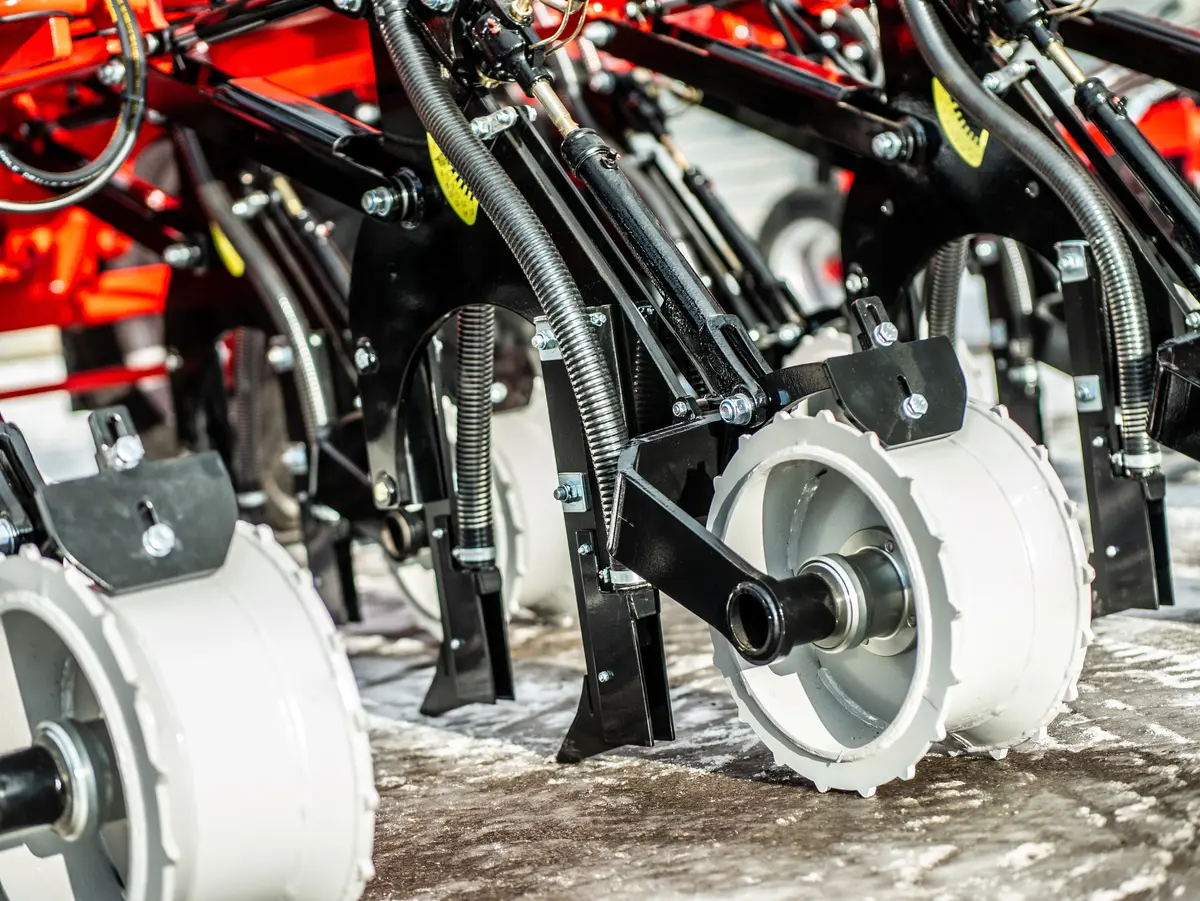
Direct drilling has the potential to save money on establishment costs, save moisture (we might need it one day!) and improve soil structure, by keeping the organic matter on the surface and increasing the population of earthworms. It is therefore well worth taking the trouble to make sure it works well.
We have put together these guidelines:
- Fields that don’t have any compaction problems are in the correct state to direct drill. If the land does have compaction then level lift and roll prior to drilling.
- Choose fields that don’t have severe grass weed problems. Grass weed seeds are better ploughed down and then the blackgrass can be sprayed out in the years before direct drilling.
Stubble Management
- Use a chaff spreader on the combine.
- Combine the field using wide headlands, to prevent thick deposits of straw when turning.
- Cut cereal stubble 150mm (6”) high or less, and if not baling, finely chop the straw and spread it as well as possible. Longer stubble tends to cause blockages in the drill and also shades the growing crop.
If the chopped straw has not been evenly spread then straight tooth harrow or use a straw rake on the stubble at an angle to the direction of combining, which spreads the straw evenly across the field, helps to break it up further, and may provide a very shallow surface tilth. It should also squash a proportion of the slug population, if present.
Drill Early
Have the direct drilling done as early as reasonably possible. Give the plants time to establish while the soil is warm so that they can grow through any straw mulch and away from slug pressure.
Increase the seed rates by 5-10%. We are after all doing much less to create an ideal seedbed, so it is understandable that slightly less seedlings will survive.
Put slug bait points down prior to drilling. If there is a slug problem, spread slug pellets at the same time as drilling, or mix pellets with the seed. I would only advise mixing pellets with the seed if the land is cloddy, and the drill has not completely firmed soil around the seed.
Roll after drilling, to put down any stones and firm the surface to help against slugs.
Check for slug activity approximately 1 week after drilling when the seedlings are just emerging. If required, apply half rate minislug pellets. The plants are at their most vulnerable at the seedling stage.
Weed Control
Spray off with Roundup pre drilling if you have weeds and volunteers emerged.
Alternatively use Roundup after drilling if you intend using a
pre-emerge spray, as many will mix satisfactorily.
Use this year’s tramlines for next year’s crop. They will still be visible, and provided they are not deeply rutted will be ideal for carrying the sprayer, as they tend to remain firm right through the autumn.
You should see far less weeds emerging in direct drilled crops, especially if you have chopped and spread the straw prior to drilling.
If you wish to use a soil acting herbicide, don’t be too concerned about straw residue on the surface. Most of the chemical will wash through the straw to the soil, and if the straw is very thick, the weeds cannot grow through it anyway.
You should expect a small yield increase from direct drilling, because of moisture conservation, better soil structure and a lower weed pressure, and on all but the very lightest soils you should save over £30/ac (110 euro/ha) on establishment costs. It is therefore well worth making sure direct drilling has every chance of succeeding.